
A Deep Dive: Checkpoint
- Wayne Bautista
- Feb 13, 2023
- 3 min read

Updated: Feb 14, 2023

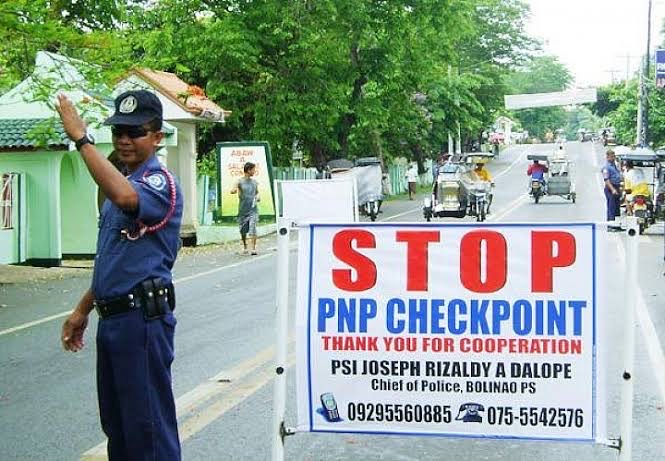

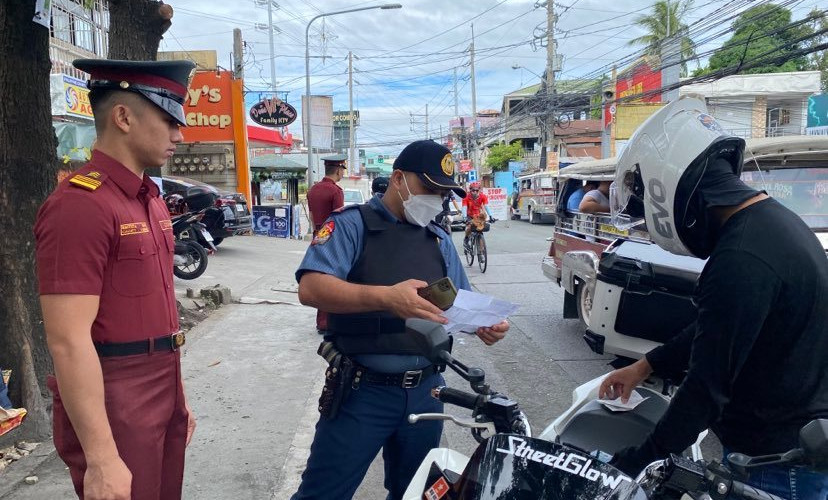
Police have long served their communities by keeping them safe from criminalities. As future police officers of the Philippine National Police, we are tasked with upholding the law, conducting investigations into crimes, locating offenders, decreasing and preventing crime, upholding public order, ensuring community safety, offering emergency services and other associated community services, and defending people's basic rights and freedoms. One of the common ways that we police officers fulfill these duties is through conducting police checkpoints throughout the country with highly urbanized areas as top priorities.
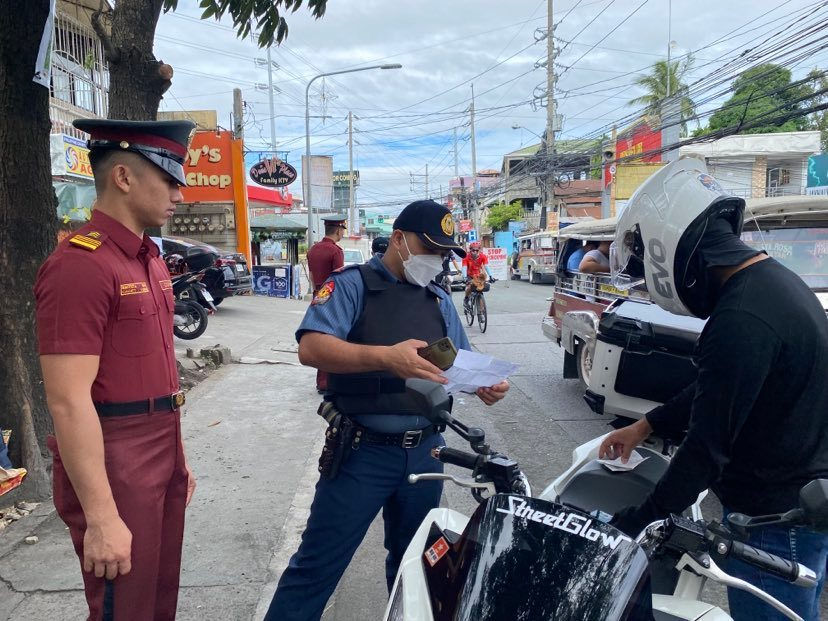
Ever since its popularization, checkpoints have always been viewed negatively by most motorists. It is often perceived as a nuisance that simply creates unnecessary traffic on our roads. But why does it have to be like this? How can we improve our current situation? And who are the ones to blame? To answer these questions, one must take a deeper dive into the subject matter.

According to an online article written by Joey Deriquito on AutoDeal (2022), he described the word checkpoint as a police operation that allows law enforcement officers to implement current regulations on incoming vehicles and pedestrians. There are two main types of checkpoints. The first type includes a well-established checkpoint that has proper signage and lighting. While on the other hand, the second type includes a haphazardly placed checkpoint that was built on the spur of the moment due to a response to an alarm. Despite the difference between the two, it still has their similarities. For example, both checkpoints have a team leader that serves as the one responsible for the overall well-being of the checkpoint. It also has a spotter that serves as a lookout so that an alarm could be sounded once the suspect approaches the checkpoint. Thirdly, a spokesperson serves as a bridge between the police and the people. Fourthly, an investigation sub-team shall create proper documentation for the checkpoint. Fifthly, an arresting sub-team shall apprehend the suspect. Sixthly, a security sub-team shall protect the supporting elements. And lastly, the blocking team shall put the suspect to a halt once it enters the checkpoint.[1]
When you are flagged down for a police checkpoint, you need to be aware of your basic rights. Initially, police roadblocks were free of misuse and illicit activity. Whether you're on a motorcycle or a four-wheeled vehicle, stand up for your rights when you're stopped by the police. You must be treated with courtesy and respect when interacting with drivers at checkpoints, police officers must always be polite and considerate. In addition to greeting you, we should explain the reason for the checkpoint, beg for your patience, and offer our apologies after the search is finished. Regardless of the type of vehicle a driver is operating, we law enforcement officials, are obligated to treat all drivers equitably. For example, we cannot discriminate against motorcycle riders based solely on common misconceptions.
In addition, since police officers can only do a visual search of a car, we shouldn't make you get out of it or open the trunk. Police officers should only request the motorist to drop the window and turn on the lights if the window is tinted so they can see what is inside. It's against the law for police to approach a car or pull the driver out. Additionally, unless you voluntarily do so, we cannot compel you to unlock your trunk, compartment, or baggage. neither can we demand that you show your ID. However, there are exceptions. If you have a traffic offense, such as driving while intoxicated or operating a vehicle that has been involved in criminal activity, or if the police obtain a search order for you or your vehicle, they are permitted to undertake a comprehensive inspection of the vehicle and the driver. Be sure to check the warrant (if it's real or fake) and have a witness with you before allowing the police to inspect you and your vehicle. You are not required to answer any questions. You have the right to refuse to respond to questions from the police personnel during a spot check, and you can neither be forced to answer nor be arrested for that decision.
No police officer should threaten you or demand money from you. If you feel your rights have been infringed at a police checkpoint, don't hesitate to report it. Intimidation, harassment, extortion, and other wrongdoings are forbidden in checkpoint operations. You will be required to name the negligent law enforcement official, described the incident in detail, and provide your contact information. Your grievance will be communicated to the PNP and the president's office. Knowing your human rights as a driver at a police checkpoint will allow you to exercise them and defend yourself if the police stop you for an inspection.[2]
Reference:

Comments